
06/04/2026
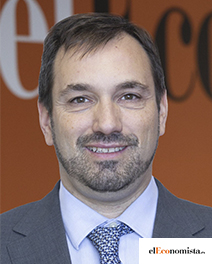
Interview with Rubén Esteller, Deputy Editor of elEconomista
The transformation of the media goes beyond simply incorporating technology: it involves redefining how information is delivered in a fully digital environment. Consumption habits have evolved towards more immediate formats such as video or podcasts, forcing media organizations to adapt without losing their main purpose: to provide useful, relevant information with real impact in the daily lives of readers.
In this context, credibility becomes a differentiating factor. In the face of information overload and fake news, established media reinforce their role as guarantors of truthful and verified information. Editorial rigor and the reader’s critical thinking are key to distinguishing information quality in an increasingly saturated environment.
Artificial intelligence, far from being a threat, acts as an ally to improve efficiency and optimize processes. It allows for task automation, the creation of new formats, and the expansion of content reach, as long as it is used without compromising journalistic judgment.
The future of journalism will be digital, agile, and technology-driven, but it will still depend on one essential element: trust.