
03/02/2026
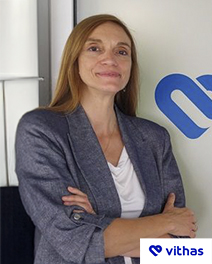
Interview with Maricé Sánchez-Macián, Director of the AI Adoption Plan at Vithas.
The transformation of the healthcare sector is no longer just about incorporating technology, but about redefining how people are cared for through it. Artificial intelligence and other emerging technologies are beginning to have a profound impact on clinical care, optimising processes and improving service quality, but always with a clear objective: to put the patient at the centre. Innovation only makes sense when it enhances the quality of care and facilitates the work of professionals.
This change requires the responsible adoption of technology. AI makes it possible to streamline administrative tasks, improve appointment management and support clinical decision-making, but it requires robust frameworks for governance, security and human oversight. Ethics, cybersecurity and regulatory compliance become fundamental pillars to ensure that technology acts as an ally and not a risk, especially in an environment as sensitive as healthcare.
At the same time, technological innovation involves a profound cultural transformation. It is not just a matter of implementing tools, but also of training and empowering teams, managing change and fostering a robust data culture. The quality of information, the standardisation of systems and the creation of secure data environments are key elements for artificial intelligence to generate real value and reliable results.
The future of healthcare will be more human and sustainable. Technology will free up time, reduce friction and improve efficiency, but its true impact will lie in how it is used to strengthen close relationships, ensure equity and leave no one behind. Integrating innovation with an ethical, people-centred vision will be the key to building a healthcare model that is prepared for the challenges